
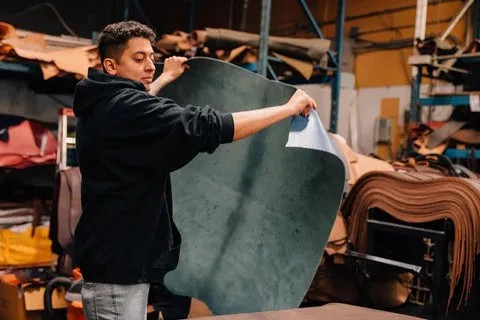
Deepkee Leather is a leather goods and apparel brand that loves adventure and is dedicated to pursuing a minimalist lifestyle. We respect the long-standing craftsmanship, learn new skills, and rely on hard work with our hands. Therefore, we are committed to creating a brand that enhances the quality of daily life for both men and women.
The leather-making process is lengthy and highly technical, requiring precision and attention to detail. The entire process begins with an animal hide and ultimately results in leather that can be made into bags, clothing, or other leather products. Dive deep into the leather-making process and learn where our products come from. 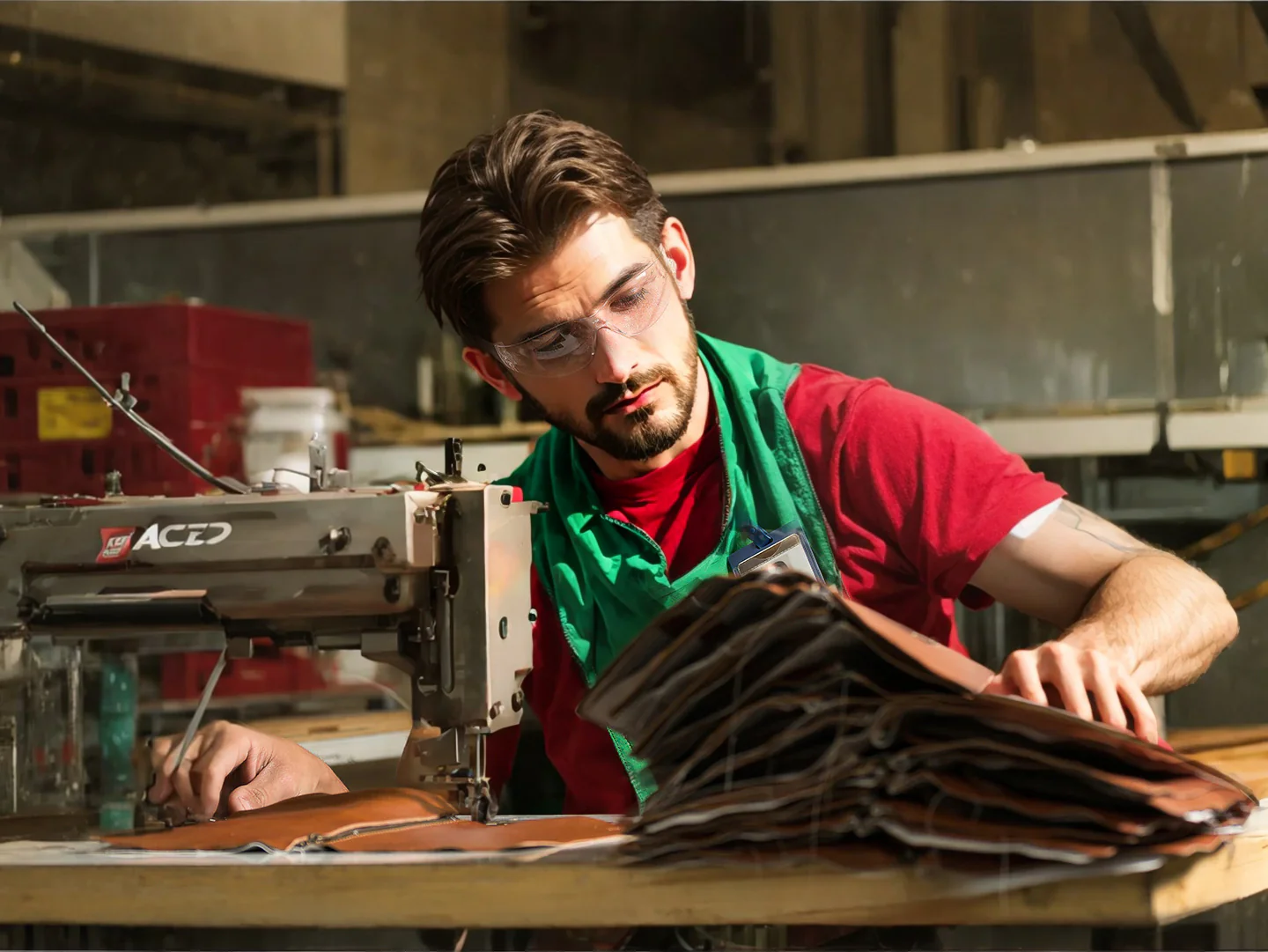
Our office in Matthews, North Carolina, nurtures the inspiration and design of our American traditional quality products. We are proud to collaborate with creators and artisans from the United States, Mexico, and India, who share our passion, high standards, and noble ethical values.
Where does the leather-making process begin?
Leather can be made from the hides of almost any animal, including pigskin, sheepskin, goatskin, and crocodile skin. However, our bags and accessories are made from high-quality cowhide, bison leather, or water buffalo leather. You can learn more about the differences between bison leather and water buffalo leather by visiting our blog.
At the start of the leather-making process, the raw hide must be preserved to prevent spoilage. These preservation methods include salting, freezing, refrigeration, and the use of chemicals. Once the raw hide is treated, it needs to be soaked in water to rehydrate, removing excess salt and dirt. Next, the raw hide undergoes a liming process to remove any remaining hair. After the hair is removed, the remaining animal hide is referred to as the pelt. The pelt is then processed by machines to remove all tissue from the flesh side. At this stage, the pelt may also be split into layers: top grain and full grain. Finally, the pelt needs to be tanned using a weak acid or salt solution.
The next step in the leather-making process
Tanning is the next step in the leather-making process, transforming the animal hide into leather through a chemical reaction. This chemical reaction alters the protein structure of the raw hide into a stable material. There are many methods for tanning leather, but the two most common are mineral tanning and vegetable tanning. Learn more about these two methods of leather tanning options on our blog.
Last but not least
In the final step of leather making, the leather is placed in a rolling machine for kneading to ensure it is soft and elastic. Then, the leather is put into a rotating drum for thorough tumbling. After removal, the leather undergoes polishing and brushing to make it feel softer and cleaner, and to reduce thickness as needed. Finally, the leather goes through a finishing process. This includes ensuring an even color and sheen, removing surface imperfections, and adding a waterproof protective layer. Voila! A beautiful piece of leather is about to embark on its next life. Want to see the finished products after the leather-making process? Shop our full range of leather leather products , or browse specific features and styles, such as our leather briefcases , backpacks , or tote bags .